Cart
0
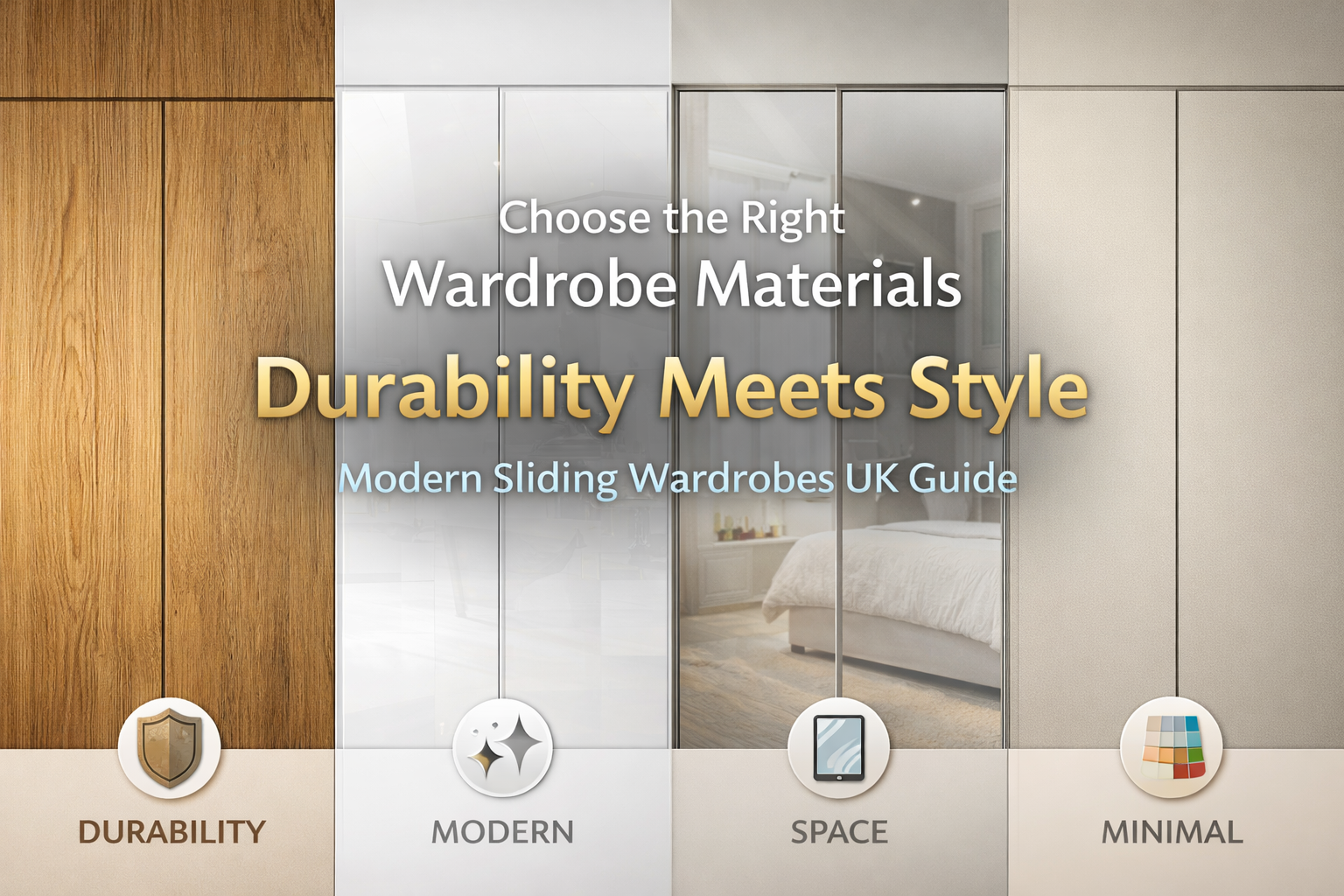
Choosing the right wardrobe is not just about design. The material you select plays a major role in how long your wardrobe lasts and how well it fits your bedroom style. Many UK homeowners focus on appearance first, but durability and quality should always be part of the decision.
A well-built wardrobe should look good today and still perform years later. This is why understanding wardrobe materials is essential before making a purchase.
If you are exploring options from Sliding Door Wardrobe, the no.1 online furniture store in UK, knowing which materials offer the best balance of durability and style will help you make a smarter investment.
Why Material Choice Matters
Wardrobes are one of the most used pieces of furniture in any home. They are opened daily, carry weight, and must handle long-term wear.
The right material ensures:
-
Long-lasting performance
-
Resistance to damage
-
Better appearance over time
-
Value for money
Choosing the wrong material can lead to issues like warping, scratches, or reduced functionality.
1. Engineered Wood: The Practical Choice
Engineered wood is one of the most popular materials for modern wardrobes in the UK.
It includes:
-
MDF (Medium Density Fibreboard)
-
Particleboard
-
Plywood
Benefits:
-
Cost-effective
-
Smooth finish for painting or laminates
-
Resistant to cracking compared to solid wood
Engineered wood works well for sliding wardrobes because it provides stability and supports various finishes like gloss, matte, or wood-effect panels.
2. Solid Wood: Classic and Durable
Solid wood wardrobes offer a timeless appeal. Materials like oak, walnut, and pine are commonly used in traditional designs.
Benefits:
-
Strong and long-lasting
-
Natural aesthetic
-
Can be refinished over time
However, solid wood is usually more expensive and may require more maintenance. It can also expand or contract slightly with temperature changes.
For modern UK homes, solid wood is often used as a finish rather than the main structure.
3. Glass and Mirrored Panels: Style Meets Function
Glass and mirrored panels are widely used in sliding wardrobes. They not only enhance the look of your bedroom but also improve space perception.
Benefits:
-
Reflect light and brighten the room
-
Create a modern, sleek appearance
-
Easy to clean
Mirrored wardrobes are especially useful in smaller bedrooms where they help create the illusion of space.
If you're unsure which finish suits your home, you can explore our guide on Mirror vs Glass Wardrobe Doors: Which Suits Your Home Best?
4. Aluminium Frames: Strength and Longevity
The frame of your sliding wardrobe is just as important as the panels. Aluminium is commonly used due to its strength and durability.
Benefits:
-
Lightweight yet strong
-
Resistant to rust
-
Long-lasting performance
Aluminium frames ensure smooth sliding and stability, making them ideal for daily use.
5. Laminates and Finishes: The Style Factor
The finish of your wardrobe determines its visual appeal. Laminates and coatings are applied over base materials to create different looks.
Popular Options:
-
High-gloss finishes
-
Matte surfaces
-
Wood-effect laminates
Benefits:
-
Wide variety of colours and textures
-
Scratch-resistant options available
-
Easy to maintain
For modern interiors, gloss finishes are popular, while matte and wood textures create a softer look.
If you want to enhance brightness in your bedroom, check our guide on How to Choose Wardrobe Finishes That Increase Bedroom Light.
6. Durability vs Style: Finding the Balance
Many homeowners struggle between choosing durability or style. The good news is that you don’t have to compromise.
A well-designed sliding wardrobe combines:
-
Strong internal structure (engineered wood or solid wood)
-
Durable frame (aluminium)
-
Stylish external finish (glass, mirror, or laminate)
This combination ensures both long-term performance and modern appearance.
You can explore balanced designs in the sliding door wardrobes collection, offering a variety of materials and finishes for UK homes.
7. Consider Your Lifestyle
Material choice should also reflect how you use your wardrobe.
For Families:
-
Choose scratch-resistant finishes
-
Avoid overly delicate materials
For Minimalist Homes:
-
Opt for matte or gloss finishes
-
Keep colours neutral
For Compact Bedrooms:
-
Use mirrored or light-coloured panels
-
Focus on materials that enhance brightness
Your daily usage should guide your decision just as much as design preferences.
8. Maintenance and Longevity
Different materials require different levels of maintenance.
-
Glass and mirrors need regular cleaning
-
Wood finishes may require occasional care
-
Laminates are generally low maintenance
Choosing easy-to-maintain materials can save time and effort in the long run.
9. Future-Proofing Your Wardrobe
A wardrobe is a long-term investment. Choosing durable materials ensures you won’t need frequent replacements.
Timeless finishes like:
-
White gloss
-
Light oak
-
Neutral matte
allow you to update your room décor without replacing the wardrobe.
This makes your investment more flexible and future-ready.
10. Quality Over Price
While budget is important, choosing the cheapest option can lead to higher costs later due to repairs or replacements.
Instead, focus on:
-
Build quality
-
Material durability
-
Trusted suppliers
A slightly higher investment upfront often results in better long-term value.
Final Thoughts
Choosing wardrobe materials for durability and style requires a balance between functionality and design. From engineered wood and aluminium frames to glass panels and modern finishes, each material plays a role in how your wardrobe performs and looks.
For UK homeowners, sliding wardrobes offer the perfect combination of practicality and modern style. By selecting the right materials, you can create a wardrobe that enhances your bedroom while lasting for years.
At Sliding Door Wardrobe, the focus is on delivering high-quality designs that combine durability, style, and smart storage solutions.
Make your choice wisely, and your wardrobe will not only look great but also stand the test of time.